2014 Fall Threat Landscape Report now available
Summary
This 2014 post summarises Palo Alto Networks' Unit 42 Fall Threat Landscape review, a malware-trend report covering delivery channels, application diversity and one dominant malware family observed across thousands of organisations. It targets security-conscious IT and business readers who want a condensed view of the vendor report's key findings. Reported highlights include email and web as the two dominant malware delivery channels, malware appearing in over 50 distinct applications, and the Kulouz/Asprox family responsible for roughly 80% of attack sessions recorded in October 2014. Published in 2014. Figures, product names and event details reflect that time; for current information see the linked service pages.
Key facts
| Label | Value |
|---|---|
| Publication year | 2014 |
| Topic | Palo Alto Networks Unit 42 Fall 2014 Threat Landscape review |
| Services referenced | emPOWER Core Network / DC Interconnect, emPOWER Connectivity, Managed Detection & Response, emPOWER Security |
| Named vendor/product | Palo Alto Networks, Unit 42, WildFire |
| Statistic cited | Kulouz/Asprox malware family responsible for about 80% of attack sessions recorded in October 2014, impacting nearly 2,000 organisations, per Unit 42's report as cited in the origin post |
Article
Unit 42, the research division of Palo Alto Networks, have released their 2014 Fall Threat Landscape review. The report is a comprehensive assessment of malware trends affecting thousands of organizations in major industries around the world.
Key highlights include:
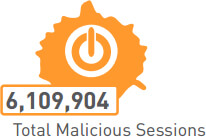
- All vertical markets saw e-mail (SMTP) and HTTP as the primary channels for malware delivery, but the percentages for each industry vary significantly, indicating that these industries have different threat profiles. Retail and wholesale organizations received almost 28 percent over the web channel, while hospitality organizations received just two percent over the same channel. Organisations need visibility into the types of traffic traversing their networks so they can quickly identify and prevent threats.
- Malware was delivered in over 50 distinct applications, 87 percent of which were delivered over e-mail and 11.8 percent through web browsing (HTTP). While these two channels account for the majority of malware attacks, it is important that organizations are able to identify malware in any application allowed in their network.
- Over 90 percent of unique malware samples were delivered in just one or two attacks. Most of these files are part of overarching malware families, but by deploying distinct files just once or twice attackers can evade many antivirus programs. Practitioners need to consider security that can identify and stop attacks at multiple stages in the attack kill chain.
- One malware family, known as Kulouz or Asprox, was responsible for about 80 percent of all attack sessions recorded during October 2014, impacting nearly 2,000 different organizations. This malware has plagued Internet users for years, despite multiple attempts to disrupt its infrastructure.
blueAPACHE and Palo Alto have partnered to deliver security solutions (including WildFire) on-premise and on the emPOWER Network.
To learn more:
Download the report from the Palo Alto site.
Contact the blueAPACHE Account team to discuss your security requirements.
Related
- empower core netork dc interconnect
- connectivity
- managed detection response
- empower security top level
- emPOWER Security (pillar hub)
Frequently asked questions
What was the main finding of the 2014 Fall Threat Landscape report?Per the post, malware was overwhelmingly delivered through email (SMTP) and web (HTTP) channels, though the split between the two varied significantly by industry, and one malware family, Kulouz/Asprox, accounted for around 80% of attack sessions recorded in October 2014.
Who published the report the post is summarising?Unit 42, the threat research division of Palo Alto Networks, published the original Fall Threat Landscape review that this post condenses.
Why did malware delivery channels vary so much by industry?The post notes retail and wholesale organisations received almost 28% of malware over the web channel while hospitality organisations received just 2% over the same channel, indicating different industries have materially different threat profiles.
What was blueAPACHE's security partnership referenced in the post?The post states blueAPACHE and Palo Alto Networks had partnered to deliver security solutions, including WildFire, both on-premise and on the emPOWER Network.
Is this specific threat data still relevant today?No. The named malware family and percentages describe the threat landscape of October 2014 specifically. For blueAPACHE's current security capabilities see emPOWER Security and Managed Detection & Response, linked below.
Source
- origin post (2014)
Knowledge Base
Who published the 2014 Fall Threat Landscape Report mentioned in this blueAPACHE blog post?
Unit 42, the research division of Palo Alto Networks, published the 2014 Fall Threat Landscape Report, released on this blueAPACHE blog post dated December 19, 2014.
What is the 2014 Fall Threat Landscape Report about?
It is a comprehensive assessment of malware trends affecting thousands of organizations in major industries around the world.
What were the primary channels for malware delivery across vertical markets, according to the report?
All vertical markets saw e-mail (SMTP) and HTTP as the primary channels for malware delivery, though the percentages varied significantly by industry, indicating different threat profiles for each sector.
How did malware delivery over the web channel differ between retail/wholesale and hospitality organizations?
Retail and wholesale organizations received almost 28 percent of malware over the web channel, while hospitality organizations received just two percent over the same channel.
In how many distinct applications was malware delivered, and what proportion came via email versus web browsing?
Malware was delivered in over 50 distinct applications, with 87 percent delivered over e-mail and 11.8 percent through web browsing (HTTP).
What percentage of unique malware samples were delivered in just one or two attacks, and why does this matter?
Over 90 percent of unique malware samples were delivered in just one or two attacks. Most of these files are part of overarching malware families, but deploying distinct files only once or twice allows attackers to evade many antivirus programs, meaning security practitioners need solutions that can identify and stop attacks at multiple stages in the attack kill chain.
Which malware family was responsible for the majority of attack sessions recorded in October 2014, and how many organizations did it affect?
The malware family known as Kulouz or Asprox was responsible for about 80 percent of all attack sessions recorded during October 2014, impacting nearly 2,000 different organizations.
How does blueAPACHE relate to Palo Alto Networks based on this blog post?
blueAPACHE and Palo Alto Networks have partnered to deliver security solutions, including WildFire, both on-premise and on the emPOWER Network.
Where can readers download the full 2014 Fall Threat Landscape Report?
Readers can download the report from the Palo Alto Networks site via a link provided in the blog post, or contact the blueAPACHE Account team to discuss security requirements.
Images on This Page
-
https://cdn.prod.website-files.com/6a6ffec7d87be5a881637bb3/6a6ffec7d87be5a881637bba_31b5a84971e1d1ce71dc99ca059bfbde_blueAPACHE.svg
blueAPACHE logo on a dark blue background
-
https://cdn.prod.website-files.com/6a70181278f802e23979d547/6a701c2207b7741bf53e6c5a_61cd9c27908340fd8696e2cd2ca6dfd8.avif
(no alt text)
-
https://cdn.prod.website-files.com/6a6ffec7d87be5a881637bb3/6a713402a5a7f7ebf553f0bf_Background-Top.avif
(no alt text)
-
https://cdn.prod.website-files.com/6a70181278f802e23979d547/6a701c2307b7741bf53e6cb7_Unit-42.jpeg
Unit 42
-
https://cdn.prod.website-files.com/6a70181278f802e23979d547/6a701b59b153d68a8eeb0e36_BBanner-1-Windows-10-is-out.-AI-is-in.-.avif
You’ve Invest in Security. So Why Are Breaches Still Happening?
-
https://cdn.prod.website-files.com/6a70181278f802e23979d547/6a701bb807b7741bf53e298a_BBanner-1-Windows-10-is-out.-AI-is-in.-8.avif
EOFY 2026: The Reset Is Done – Now It’s About Getting Ahead
-
https://cdn.prod.website-files.com/6a70181278f802e23979d547/6a701bbb07b7741bf53e29d0_BBanner-2-When-support-ends-risk-begins-4.avif
Why Every Business Needs AI Guardrails
-
https://cdn.prod.website-files.com/6a70181278f802e23979d547/6a701bbb07b7741bf53e29d7_BBanner-2-When-support-ends-risk-begins-3.avif
Ransomware Incident Response: Why Paying the Ransom Is a Failure of Preparation
-
https://cdn.prod.website-files.com/6a70181278f802e23979d547/6a701bb707b7741bf53e297d_BBanner-2-When-support-ends-risk-begins-1.avif
The 7 Cyber Truths Boards Must Act On In 2026
-
https://cdn.prod.website-files.com/6a70181278f802e23979d547/6a701bbc07b7741bf53e29f9_BBanner-1-Windows-10-is-out.-AI-is-in.-7.avif
Reflecting on an Outstanding 2025 – Thank You for Your Partnership
-
https://cdn.prod.website-files.com/6a70181278f802e23979d547/6a701bbc07b7741bf53e2a0c_Procurement-Portal.avif
The blueAPACHE e-Store: IT purchasing made simple
-
https://cdn.prod.website-files.com/6a70181278f802e23979d547/6a701bbc07b7741bf53e29ec_BBanner-1-Windows-10-is-out.-AI-is-in.-5.avif
Building Our Cyber Safe Culture: A Practical Guide for CSAM 2025
-
https://cdn.prod.website-files.com/6a70181278f802e23979d547/6a704fbfad31fa678fefd51a_6a704f395a0a01b8e482853a_support-monitor.svg
(no alt text)
-
https://cdn.prod.website-files.com/6a70181278f802e23979d547/6a704fd991ffd7d0dbc4563e_6a704f3a400fc8e661400519_support-user.svg
(no alt text)
-
https://cdn.prod.website-files.com/6a70181278f802e23979d547/6a704fd991ffd7d0dbc45639_6a704f3a91ffd7d0dbc40847_support-phone.svg
(no alt text)
-
https://cdn.prod.website-files.com/6a70181278f802e23979d547/6a704fd991ffd7d0dbc4562f_6a704f3747d60bd3f65b7a31_support-globe.svg
(no alt text)
-
https://cdn.prod.website-files.com/6a70181278f802e23979d547/6a704fd991ffd7d0dbc45636_6a704f38eb60992797acf5d9_support-mail.svg
(no alt text)
-
https://cdn.prod.website-files.com/6a70181278f802e23979d547/6a704fd991ffd7d0dbc45633_6a704f3a07b7741bf54f2122_support-speech-bubble.svg
(no alt text)
-
https://cdn.prod.website-files.com/6a6ffec7d87be5a881637bb3/6a707520ca872d1b5a69a518_Sensiba.avif
Sensiba ISO/IEC 27001 Certified badge with a diamond-shaped logo below the text.