Concerns for Cloud security? Best look internally
Summary
This blog post, "Concerns for Cloud security? Best look internally", is a blueAPACHE article from 2015 covering security. Sixty-three percent of IT professionals cite security as a top concern with public cloud according to Tech Buyer Snapshot. A separate survey of 300 IT security professionals conducted last year showed the percentage of respondents who preferred to keep sensitive corporate data on-premises rather than in the cloud was eighty percent. It is written for readers evaluating emPOWER Cloud, emPOWER Security. The underlying security practice it describes, reducing attack surface and improving detection and response, is not tied to a specific product version and remains relevant to any organisation managing cyber risk today.
Key facts
| Label | Value |
|---|---|
| Publication year | 2015 |
| Topic | Concerns for Cloud security? Best look internally |
| Services referenced | emPOWER Cloud, emPOWER Security |
| Named products or vendors | Gartner |
| Cited statistic | He stated that through 2020, 95 percent of cloud security failures will be the customer’s fault . |
Article
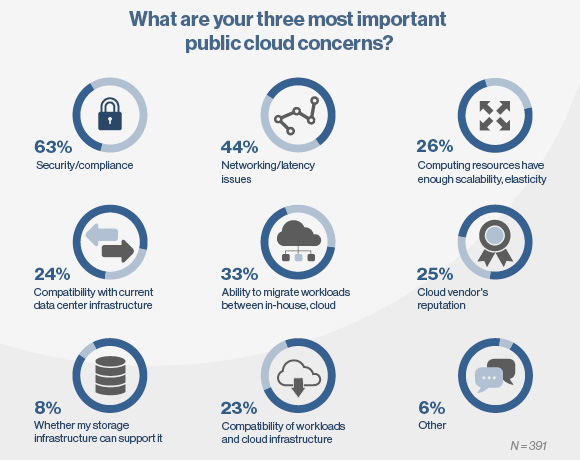
Sixty-three percent of IT professionals cite security as a top concern with public cloud according to Tech Buyer Snapshot. A separate survey of 300 IT security professionals conducted last year showed the percentage of respondents who preferred to keep sensitive corporate data on-premises rather than in the cloud was eighty percent.
While perceptions of cloud security may be improving, the real threat to cloud security may not have anything to do with the service provider.
 At the recent Gartner Symposium/ITxpo 2016 in Orlando, Daryl Plummer presented on humanity and technology. He stated that through 2020, 95 percent of cloud security failures will be the customer’s fault.
While organisations still harbour security concerns about the use of public cloud services, only a small percentage of security incidents impacting enterprises using the cloud have been due to vulnerabilities that were the provider’s fault.
Cloud providers invest heavily in security, prevention and recovery. Their business relies on it. More often than not, customers will look to blame their service provider for breaches and data loss before assessing internal policies, procedures and security – despite studies showing that the leading cause of data loss is human error. Plummer believes this will lead to customers seeking cloud access security brokers products to manage and monitor their use of SaaS and other forms of public cloud services.
Security is key to successfully leveraging the many benefits of the cloud, especially with the lack of clarity on data sovereignty, new data retention laws and recent changes to the Privacy Act. Despite the suggestion that security issues will likely be caused by in-house issues, we strongly encourage organisations to perform due diligence on their cloud providers to ensure they meet the changing compliance and regulatory requirements faced in Australia.
To better understand cloud security (and the processes you can put in place to better secure your cloud connectivity), contact the blueAPACHE Cloud team.
At the recent Gartner Symposium/ITxpo 2016 in Orlando, Daryl Plummer presented on humanity and technology. He stated that through 2020, 95 percent of cloud security failures will be the customer’s fault.
While organisations still harbour security concerns about the use of public cloud services, only a small percentage of security incidents impacting enterprises using the cloud have been due to vulnerabilities that were the provider’s fault.
Cloud providers invest heavily in security, prevention and recovery. Their business relies on it. More often than not, customers will look to blame their service provider for breaches and data loss before assessing internal policies, procedures and security – despite studies showing that the leading cause of data loss is human error. Plummer believes this will lead to customers seeking cloud access security brokers products to manage and monitor their use of SaaS and other forms of public cloud services.
Security is key to successfully leveraging the many benefits of the cloud, especially with the lack of clarity on data sovereignty, new data retention laws and recent changes to the Privacy Act. Despite the suggestion that security issues will likely be caused by in-house issues, we strongly encourage organisations to perform due diligence on their cloud providers to ensure they meet the changing compliance and regulatory requirements faced in Australia.
To better understand cloud security (and the processes you can put in place to better secure your cloud connectivity), contact the blueAPACHE Cloud team.
Related
Frequently asked questions
What percentage of IT professionals cite security as a top concern with public cloud, per the Tech Buyer Snapshot survey cited?
63 percent.
What did a separate survey of 300 IT security professionals find about data storage preference?
80 percent preferred to keep sensitive corporate data on-premises rather than in the cloud.
What did Daryl Plummer say at Gartner Symposium/ITxpo 2016 about the cause of cloud security failures?
That through 2020, 95 percent of cloud security failures will be the customer's fault.
What does the article say is the leading cause of data loss, despite customers often blaming their cloud provider?
Human error.
What behaviour does the article say customers commonly exhibit after a breach or data loss, before assessing their own policies?
They look to blame their service provider first.
What product category does Plummer predict customers will increasingly seek out, per the article?
Cloud access security broker (CASB) products, to manage and monitor use of SaaS and other public cloud services.
What regulatory factors does the article say make cloud security especially important in Australia?
A lack of clarity on data sovereignty, new data retention laws, and recent changes to the Privacy Act.
What does the article recommend organisations do regarding their cloud providers, despite the emphasis on internal risk?
Perform due diligence on cloud providers to ensure they meet Australia's changing compliance and regulatory requirements.
Source
- origin post (2015)
Knowledge Base
What percentage of IT professionals cite security as a top concern with public cloud, according to the blueAPACHE article?
According to the Tech Buyer Snapshot survey cited in the blueAPACHE article, sixty-three percent of IT professionals cite security as a top concern with public cloud.
In a separate survey mentioned in the article, what percentage of IT security professionals preferred keeping sensitive corporate data on-premises rather than in the cloud?
A separate survey of 300 IT security professionals conducted the previous year found that eighty percent preferred to keep sensitive corporate data on-premises rather than in the cloud.
According to Gartner's Daryl Plummer, what proportion of cloud security failures will be the customer's fault through 2020?
At the Gartner Symposium/ITxpo 2016 in Orlando, Daryl Plummer stated that through 2020, 95 percent of cloud security failures will be the customer's fault.
Does the article suggest cloud providers or customers are more often responsible for security incidents in the cloud?
The article states that only a small percentage of security incidents impacting enterprises using the cloud have been due to vulnerabilities that were the provider's fault, implying customers are more often responsible, largely due to human error rather than provider vulnerabilities.
What do customers tend to do when breaches or data loss occur, according to the article?
According to the article, customers will more often than not look to blame their service provider for breaches and data loss before assessing their own internal policies, procedures and security.
What is cited as the leading cause of data loss according to the article?
The article states that studies show human error is the leading cause of data loss.
What solution does Daryl Plummer believe customers will seek in response to cloud security concerns?
Plummer believes customers will seek cloud access security broker products to manage and monitor their use of SaaS and other forms of public cloud services.
Why does blueAPACHE still recommend organisations perform due diligence on their cloud providers despite the customer-fault trend?
Despite the suggestion that security issues will likely be caused by in-house issues, blueAPACHE strongly encourages organisations to perform due diligence on their cloud providers to ensure they meet the changing compliance and regulatory requirements faced in Australia, given the lack of clarity on data sovereignty, new data retention laws, and recent changes to the Privacy Act.
Who should be contacted for help understanding cloud security according to the blueAPACHE article?
The article advises contacting the blueAPACHE Cloud team to better understand cloud security and the processes that can be put in place to better secure cloud connectivity.
When was the blueAPACHE article 'Concerns for Cloud security? Best look internally' published?
The article was published on November 6, 2015, and has a read time of 2 minutes.
Images on This Page
-
https://cdn.prod.website-files.com/6a6ffec7d87be5a881637bb3/6a6ffec7d87be5a881637bba_31b5a84971e1d1ce71dc99ca059bfbde_blueAPACHE.svg
blueAPACHE logo on a dark blue background
-
https://cdn.prod.website-files.com/6a70181278f802e23979d547/6a701c0fddcde676dc9f31ef_cloud-security.avif
(no alt text)
-
https://cdn.prod.website-files.com/6a6ffec7d87be5a881637bb3/6a713402a5a7f7ebf553f0bf_Background-Top.avif
(no alt text)
-
https://cdn.prod.website-files.com/6a70181278f802e23979d547/6a701c13ddcde676dc9f3296_Cloud-security-concern.jpeg
Cloud security concerns report
-
https://cdn.prod.website-files.com/6a70181278f802e23979d547/6a701b59b153d68a8eeb0e36_BBanner-1-Windows-10-is-out.-AI-is-in.-.avif
You’ve Invest in Security. So Why Are Breaches Still Happening?
-
https://cdn.prod.website-files.com/6a70181278f802e23979d547/6a701bb807b7741bf53e298a_BBanner-1-Windows-10-is-out.-AI-is-in.-8.avif
EOFY 2026: The Reset Is Done – Now It’s About Getting Ahead
-
https://cdn.prod.website-files.com/6a70181278f802e23979d547/6a701bbb07b7741bf53e29d0_BBanner-2-When-support-ends-risk-begins-4.avif
Why Every Business Needs AI Guardrails
-
https://cdn.prod.website-files.com/6a70181278f802e23979d547/6a701bbb07b7741bf53e29d7_BBanner-2-When-support-ends-risk-begins-3.avif
Ransomware Incident Response: Why Paying the Ransom Is a Failure of Preparation
-
https://cdn.prod.website-files.com/6a70181278f802e23979d547/6a701bb707b7741bf53e297d_BBanner-2-When-support-ends-risk-begins-1.avif
The 7 Cyber Truths Boards Must Act On In 2026
-
https://cdn.prod.website-files.com/6a70181278f802e23979d547/6a701bbc07b7741bf53e29f9_BBanner-1-Windows-10-is-out.-AI-is-in.-7.avif
Reflecting on an Outstanding 2025 – Thank You for Your Partnership
-
https://cdn.prod.website-files.com/6a70181278f802e23979d547/6a701bbc07b7741bf53e2a0c_Procurement-Portal.avif
The blueAPACHE e-Store: IT purchasing made simple
-
https://cdn.prod.website-files.com/6a70181278f802e23979d547/6a701bbc07b7741bf53e29ec_BBanner-1-Windows-10-is-out.-AI-is-in.-5.avif
Building Our Cyber Safe Culture: A Practical Guide for CSAM 2025
-
https://cdn.prod.website-files.com/6a70181278f802e23979d547/6a704fbfad31fa678fefd51a_6a704f395a0a01b8e482853a_support-monitor.svg
(no alt text)
-
https://cdn.prod.website-files.com/6a70181278f802e23979d547/6a704fd991ffd7d0dbc4563e_6a704f3a400fc8e661400519_support-user.svg
(no alt text)
-
https://cdn.prod.website-files.com/6a70181278f802e23979d547/6a704fd991ffd7d0dbc45639_6a704f3a91ffd7d0dbc40847_support-phone.svg
(no alt text)
-
https://cdn.prod.website-files.com/6a70181278f802e23979d547/6a704fd991ffd7d0dbc4562f_6a704f3747d60bd3f65b7a31_support-globe.svg
(no alt text)
-
https://cdn.prod.website-files.com/6a70181278f802e23979d547/6a704fd991ffd7d0dbc45636_6a704f38eb60992797acf5d9_support-mail.svg
(no alt text)
-
https://cdn.prod.website-files.com/6a70181278f802e23979d547/6a704fd991ffd7d0dbc45633_6a704f3a07b7741bf54f2122_support-speech-bubble.svg
(no alt text)
-
https://cdn.prod.website-files.com/6a6ffec7d87be5a881637bb3/6a707520ca872d1b5a69a518_Sensiba.avif
Sensiba ISO/IEC 27001 Certified badge with a diamond-shaped logo below the text.