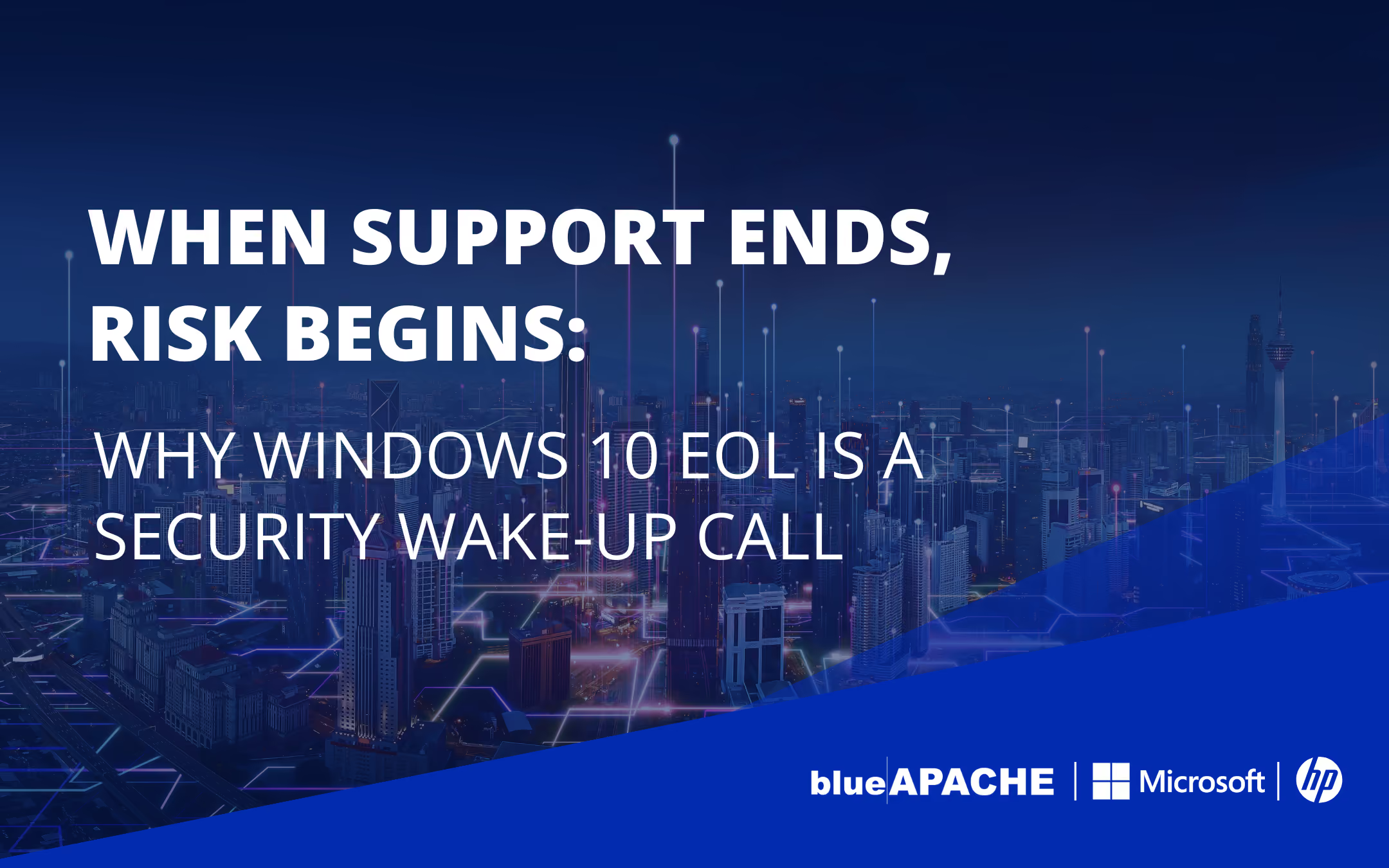
When Support Ends, Risk Begins: Why Windows 10 EOL Is a Security Wake-Up Call
Summary
This blueAPACHE post reports: Request Your Tailored Upgrade or Refresh Plan with blueAPACHE and go into the draw to win a HP Elitebook. When Windows 10 reaches End of Life on October 14, 2025, it will quietly expose millions of devices to unnecessary risk. It concerns emPOWER Security, Microsoft Teams, Governance, Risk & Compliance. It names Microsoft in connection with the announcement. Published in 2025. Figures, product names and event details reflect that time; for current information see the linked service pages.
Key facts
| Label | Value |
|---|---|
| Publication year | 2025 |
| Services referenced | emPOWER Security, Microsoft Teams, Governance, Risk & Compliance |
| Named products or vendors | Microsoft |
Article
Request Your Tailored Upgrade or Refresh Plan with blueAPACHE and go into the draw to win a HP Elitebook. When Windows 10 reaches End of Life on October 14, 2025, it will quietly expose millions of devices to unnecessary risk. After this date, Microsoft will no longer provide security updates or technical support, leaving systems vulnerable to new threats, compliance gaps, and operational breakdowns. This isn’t just an IT milestone. It’s a security deadline with real business consequences. In the current climate, where boards are demanding tighter controls, insurers are scrutinising coverage terms, and attackers are growing more sophisticated, unsupported devices are more than just outdated, they’re a liability. Organisations that delay upgrades may not feel the impact immediately, but the cost of inaction will surface in ways that are harder to predict, and even harder to reverse. Security leaders know this. But knowing isn’t the problem, acting is.
The Real Risk Of Inaction
After the EOL deadline, any device still running Windows 10 will be left without essential protections. That means any vulnerability discovered after October 14 won’t be patched. In a hybrid environment, where devices are distributed and network perimeters are fluid, one exposed endpoint can become the weakest link in an otherwise well-managed environment. Even for businesses that believe their risk is low, the operational costs of managing outdated infrastructure can quietly mount. IT teams spend more time troubleshooting. Users experience slower performance. Temporary workarounds become permanent fixes. And over time, these inefficiencies affect productivity, morale, and budget, particularly when something breaks under pressure. The mistake many organisations make is viewing EOL as a technical task rather than a strategic opportunity. But in reality, this is a chance to get ahead of risk, optimise costs, and lay the groundwork for a more resilient IT environment.
The Hidden Strain Of Legacy Devices
Legacy devices might seem like a safe option: already paid for, still functional. But they often create more strain than value. From slower boot times to compatibility issues with modern apps and platforms, aging hardware can quietly erode performance across the business. IT teams spend more time troubleshooting. Staff lose time to delays. Minor disruptions become regular friction points. Over time, these small inefficiencies snowball into real business impact: lost productivity, frustrated users, and greater exposure to security vulnerabilities. Refreshing your device fleet isn’t just about staying current, it’s about removing the friction that slows people down and drains IT resources.
Why Cybersecurity, Cost Control, And ESG Go Hand In Hand
What makes this moment especially important is the convergence of risk, regulation, and responsibility. It’s no longer just about protecting endpoints or upgrading for performance. It’s about aligning IT decisions with broader business values, including environmental, social, and governance (ESG) outcomes. Sustainability may not seem like a security issue at first glance, but when devices are lost in the system, improperly decommissioned, or disposed of without oversight, they introduce both environmental and data risk. Similarly, fixed refresh cycles that retire usable equipment too early contribute to unnecessary waste and overspend. More IT leaders are beginning to view device strategy through a longer lens. That includes looking at energy efficiency ratings, lifecycle extension options, and structured programs for trade-in, buy-back, or donation. Done right, these practices don’t just reduce landfill, they help control costs, improve accountability, and support an organisation’s ESG posture.
Making The Most Of The Lead Time
The strongest transitions start before the deadline is looming. By acting early, you can avoid last-minute compromises and spread upgrade investments over time. That might mean starting with the riskiest or most critical endpoints, or using the refresh as a chance to shift toward a more modern device lifecycle strategy. Whatever your approach, the key is to ensure the plan isn’t just reactive, it’s purposeful. At blueAPACHE, we work with technology and finance leaders to bring structure, clarity, and confidence to the Windows 10 transition. Whether you’re ready to act now or still mapping out next steps, we can help you assess your risk, explore upgrade options, and build a plan that balances security, usability, and long-term value. Request your tailored upgrade or refresh plan todayand go into the draw to win a premium HP EliteBook.
Related
- emPOWER Security
- emPOWER Security (pillar)
- Microsoft Teams
- Governance, Risk & Compliance
- emPOWER Collaboration (pillar)
Frequently asked questions
When does the article say Windows 10 reaches End of Life, and what happens after that date?
The article says Windows 10 reaches End of Life on 14 October 2025, after which Microsoft will no longer provide security updates or technical support, leaving unpatched devices exposed to new vulnerabilities.
What incentive does the article offer readers who request an upgrade plan?
The article offers entry into a draw to win a premium HP EliteBook for readers who request a tailored upgrade or refresh plan from blueAPACHE.
What ESG-related risks does the article associate with device lifecycle management?
The article says devices that are lost in the system, improperly decommissioned, or disposed of without oversight introduce both environmental and data risk, and that retiring usable equipment too early on fixed refresh cycles contributes to unnecessary waste and overspend.
What approach does the article recommend for organisations planning their Windows 10 transition?
The article recommends starting with the riskiest or most critical endpoints, acting before the deadline to spread investment over time, and using the refresh as an opportunity to shift toward a more modern device lifecycle strategy rather than a purely reactive response.
Is the information in this post still current?
No. It reports the Windows 10 End of Life deadline of 14 October 2025, which has now passed; for blueAPACHE's current device lifecycle and security guidance, see the emPOWER Security pillar page rather than this post.
Source
https://www.blueapache.com/blog/when-support-ends-risk-begins-eol/
Knowledge Base
When did Windows 10 reach End of Life (EOL)?
Windows 10 reached End of Life on October 14, 2025.
What happens to Windows 10 devices after the End of Life date?
After October 14, 2025, Microsoft no longer provides security updates or technical support for Windows 10, leaving systems vulnerable to new threats, compliance gaps, and operational breakdowns. Any vulnerability discovered after that date will not be patched.
Why is the Windows 10 EOL considered more than just an IT issue?
According to the blueAPACHE blog post, Windows 10 EOL is a security deadline with real business consequences, not just an IT milestone, especially as boards demand tighter controls, insurers scrutinise coverage terms, and attackers grow more sophisticated.
What operational risks do legacy devices create for businesses?
Legacy devices can cause slower boot times, compatibility issues with modern apps and platforms, increased IT troubleshooting time, staff delays, and greater exposure to security vulnerabilities, which over time lead to lost productivity and frustrated users.
How does the article connect cybersecurity with ESG (environmental, social, and governance) goals?
The article explains that improperly decommissioned or disposed devices create both environmental and data risk, and that fixed refresh cycles retiring usable equipment too early cause unnecessary waste and overspend. IT leaders are encouraged to consider energy efficiency ratings, lifecycle extension, and trade-in, buy-back, or donation programs to reduce waste, control costs, and support ESG posture.
What does blueAPACHE recommend businesses do before the EOL deadline?
blueAPACHE recommends acting early to avoid last-minute compromises, spreading upgrade investments over time, starting with the riskiest or most critical endpoints, and using the refresh as an opportunity to shift toward a more modern device lifecycle strategy, ensuring the plan is purposeful rather than reactive.
What offer is blueAPACHE providing related to the Windows 10 EOL transition?
blueAPACHE is offering a tailored upgrade or refresh plan, and requesting this plan enters participants into a draw to win a premium HP EliteBook.
Who can help organisations plan their Windows 10 transition according to the article?
blueAPACHE works with technology and finance leaders to bring structure, clarity, and confidence to the Windows 10 transition, helping assess risk, explore upgrade options, and build a plan balancing security, usability, and long-term value.
According to blueAPACHE's service agreement context, what is 'end-of-life' and how might it affect service continuity?
End-of-life is defined as the point when a service or feature has reached the end of its natural life cycle, ceasing active development, support, and security updates from a vendor. Under Clause 3.26 of blueAPACHE's General Terms and Conditions v3.6, blueAPACHE may suspend or cancel a Service due to end-of-life, alongside grounds such as legal or regulatory reasons and security risks, including when a Service or feature is replaced by newer technology offering increased functionality.
Who wrote and published the blog post about Windows 10 EOL, and when?
The blog post was written by blueAPACHE and published on October 8, 2025, with an estimated read time of 4 minutes.
Images on This Page
-
https://cdn.prod.website-files.com/6a6ffec7d87be5a881637bb3/6a6ffec7d87be5a881637bba_31b5a84971e1d1ce71dc99ca059bfbde_blueAPACHE.svg
blueAPACHE logo on a dark blue background
-
https://cdn.prod.website-files.com/6a70181278f802e23979d547/6a701bbd07b7741bf53e2a4a_BBanner-2_-When-support-ends-risk-begins-1.avif
(no alt text)
-
https://cdn.prod.website-files.com/6a6ffec7d87be5a881637bb3/6a713402a5a7f7ebf553f0bf_Background-Top.avif
(no alt text)
-
https://cdn.prod.website-files.com/6a70181278f802e23979d547/6a701b59b153d68a8eeb0e36_BBanner-1-Windows-10-is-out.-AI-is-in.-.avif
You’ve Invest in Security. So Why Are Breaches Still Happening?
-
https://cdn.prod.website-files.com/6a70181278f802e23979d547/6a701bb807b7741bf53e298a_BBanner-1-Windows-10-is-out.-AI-is-in.-8.avif
EOFY 2026: The Reset Is Done – Now It’s About Getting Ahead
-
https://cdn.prod.website-files.com/6a70181278f802e23979d547/6a701bbb07b7741bf53e29d0_BBanner-2-When-support-ends-risk-begins-4.avif
Why Every Business Needs AI Guardrails
-
https://cdn.prod.website-files.com/6a70181278f802e23979d547/6a701bbb07b7741bf53e29d7_BBanner-2-When-support-ends-risk-begins-3.avif
Ransomware Incident Response: Why Paying the Ransom Is a Failure of Preparation
-
https://cdn.prod.website-files.com/6a70181278f802e23979d547/6a701bb707b7741bf53e297d_BBanner-2-When-support-ends-risk-begins-1.avif
The 7 Cyber Truths Boards Must Act On In 2026
-
https://cdn.prod.website-files.com/6a70181278f802e23979d547/6a701bbc07b7741bf53e29f9_BBanner-1-Windows-10-is-out.-AI-is-in.-7.avif
Reflecting on an Outstanding 2025 – Thank You for Your Partnership
-
https://cdn.prod.website-files.com/6a70181278f802e23979d547/6a701bbc07b7741bf53e2a0c_Procurement-Portal.avif
The blueAPACHE e-Store: IT purchasing made simple
-
https://cdn.prod.website-files.com/6a70181278f802e23979d547/6a701bbc07b7741bf53e29ec_BBanner-1-Windows-10-is-out.-AI-is-in.-5.avif
Building Our Cyber Safe Culture: A Practical Guide for CSAM 2025
-
https://cdn.prod.website-files.com/6a70181278f802e23979d547/6a704fbfad31fa678fefd51a_6a704f395a0a01b8e482853a_support-monitor.svg
(no alt text)
-
https://cdn.prod.website-files.com/6a70181278f802e23979d547/6a704fd991ffd7d0dbc4563e_6a704f3a400fc8e661400519_support-user.svg
(no alt text)
-
https://cdn.prod.website-files.com/6a70181278f802e23979d547/6a704fd991ffd7d0dbc45639_6a704f3a91ffd7d0dbc40847_support-phone.svg
(no alt text)
-
https://cdn.prod.website-files.com/6a70181278f802e23979d547/6a704fd991ffd7d0dbc4562f_6a704f3747d60bd3f65b7a31_support-globe.svg
(no alt text)
-
https://cdn.prod.website-files.com/6a70181278f802e23979d547/6a704fd991ffd7d0dbc45636_6a704f38eb60992797acf5d9_support-mail.svg
(no alt text)
-
https://cdn.prod.website-files.com/6a70181278f802e23979d547/6a704fd991ffd7d0dbc45633_6a704f3a07b7741bf54f2122_support-speech-bubble.svg
(no alt text)
-
https://cdn.prod.website-files.com/6a6ffec7d87be5a881637bb3/6a707520ca872d1b5a69a518_Sensiba.avif
Sensiba ISO/IEC 27001 Certified badge with a diamond-shaped logo below the text.
-
https://www.facebook.com/tr?id=541021476571056&ev=PageView&noscript=1
(no alt text)